How-To Guides · Safety
How to Test Your Home for Radon (EPA Steps)
Radon is a natural radioactive gas that can build up inside homes. The Surgeon General calls it the second leading cause of lung cancer in the U.S. And testing is the only way to know your level. Here's how, from the EPA.
1. Step 1: Get A Test Kit
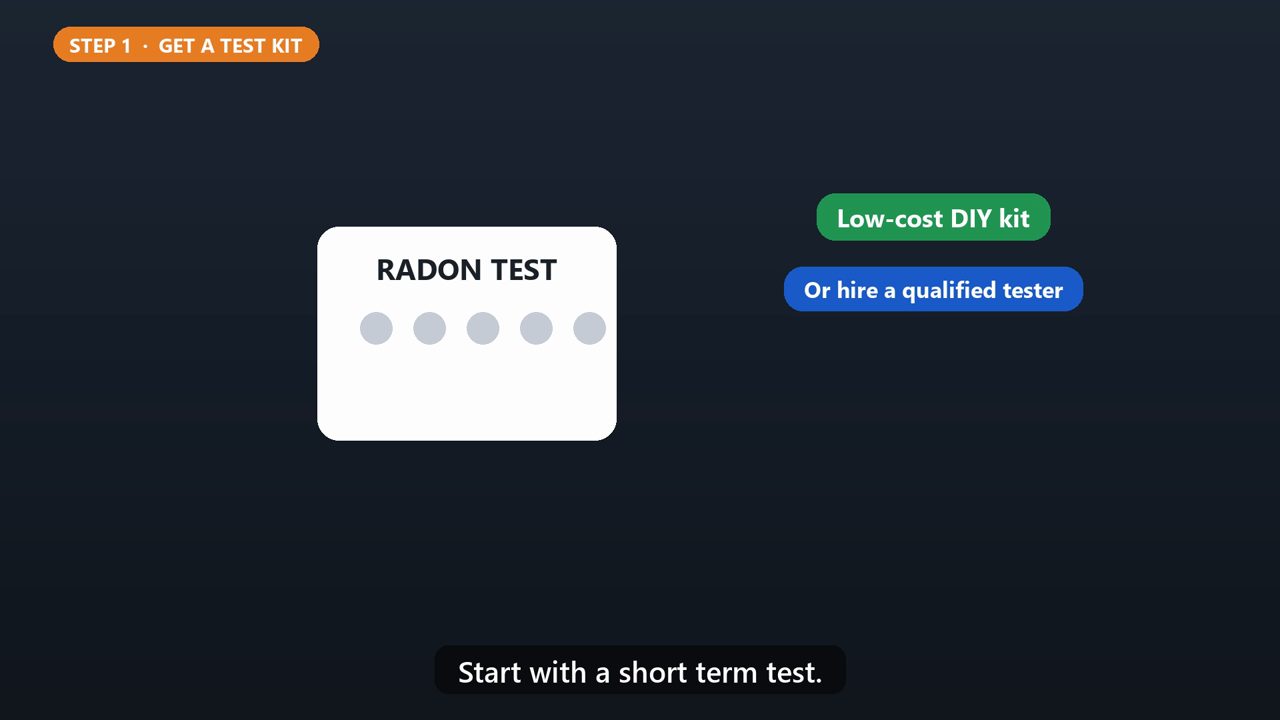
Low cost, do it yourself test kits are sold by mail, and in some hardware stores. Or, you can hire a qualified tester. Start with a short term test.
2. Step 2: Pick The Spot
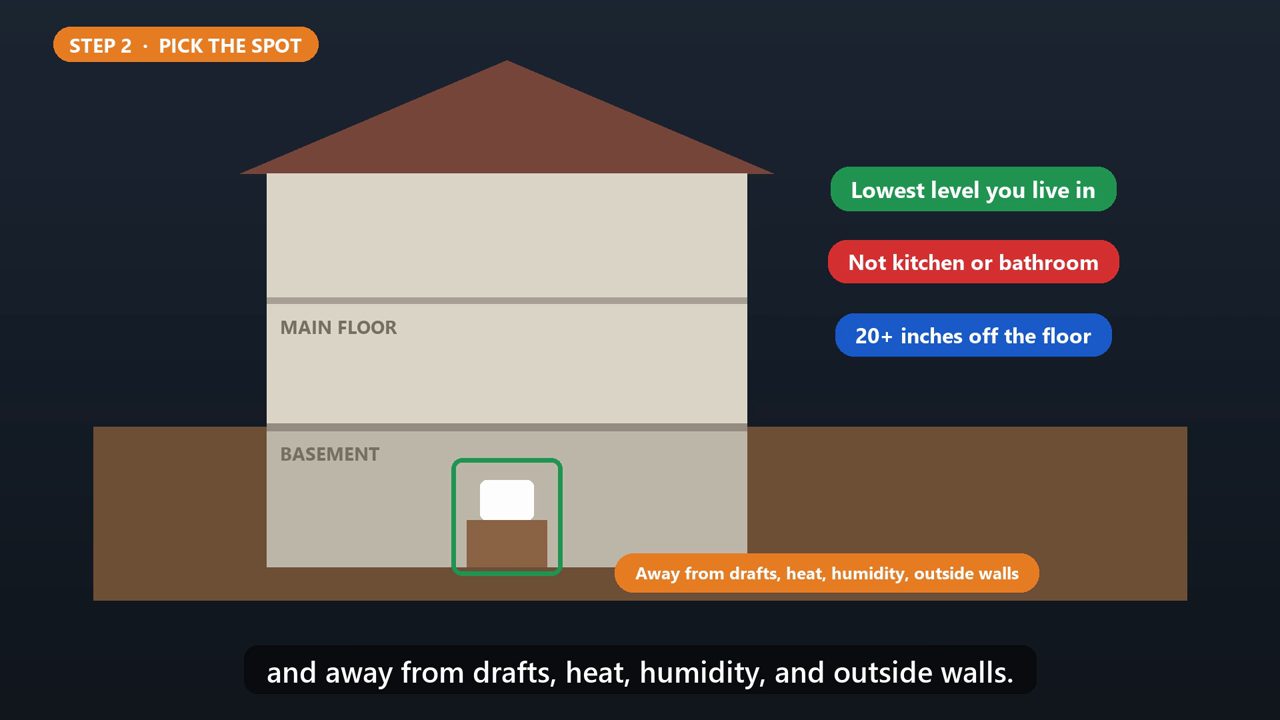
Put it on the lowest level of your home that you live in, in a room you use often. Not the kitchen or bathroom. Keep it at least twenty inches off the floor, and away from drafts, heat, humidity, and outside walls.
3. Step 3: Close It Up
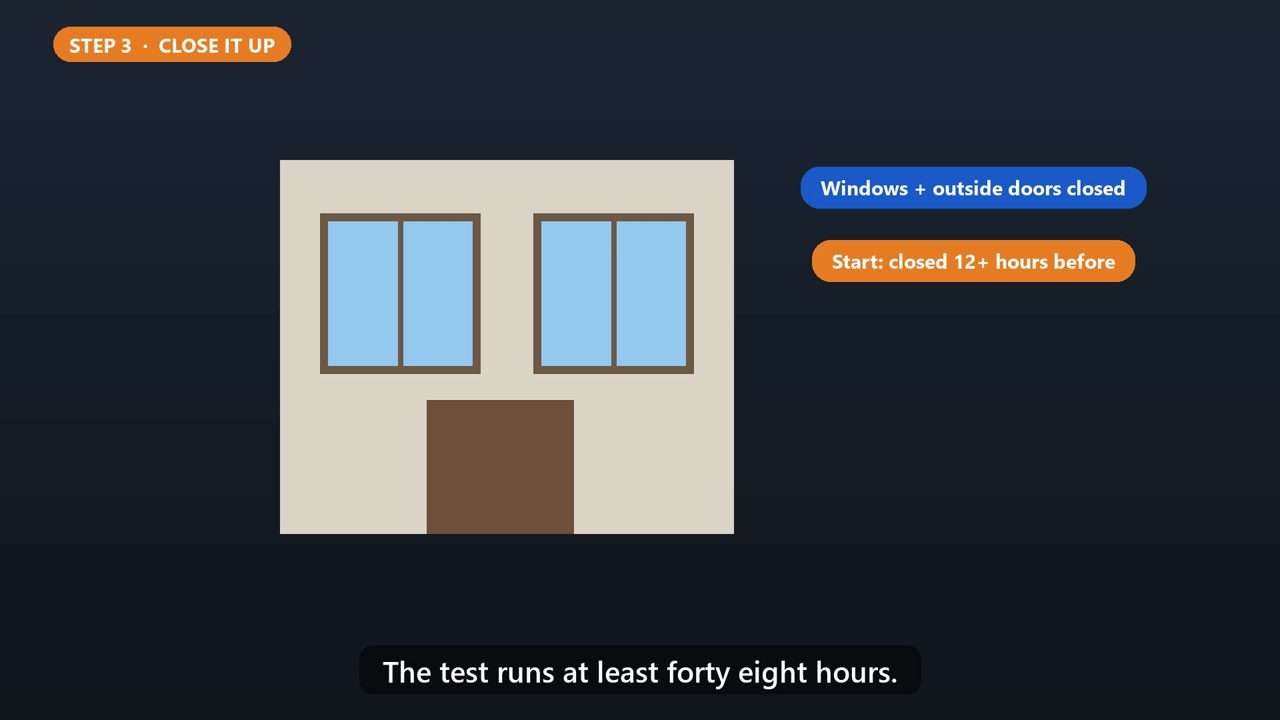
Follow the kit's instructions. For a short test, close windows and outside doors at least twelve hours before, and keep them closed as much as possible. The test runs at least forty eight hours.
4. Step 4: Read The Result
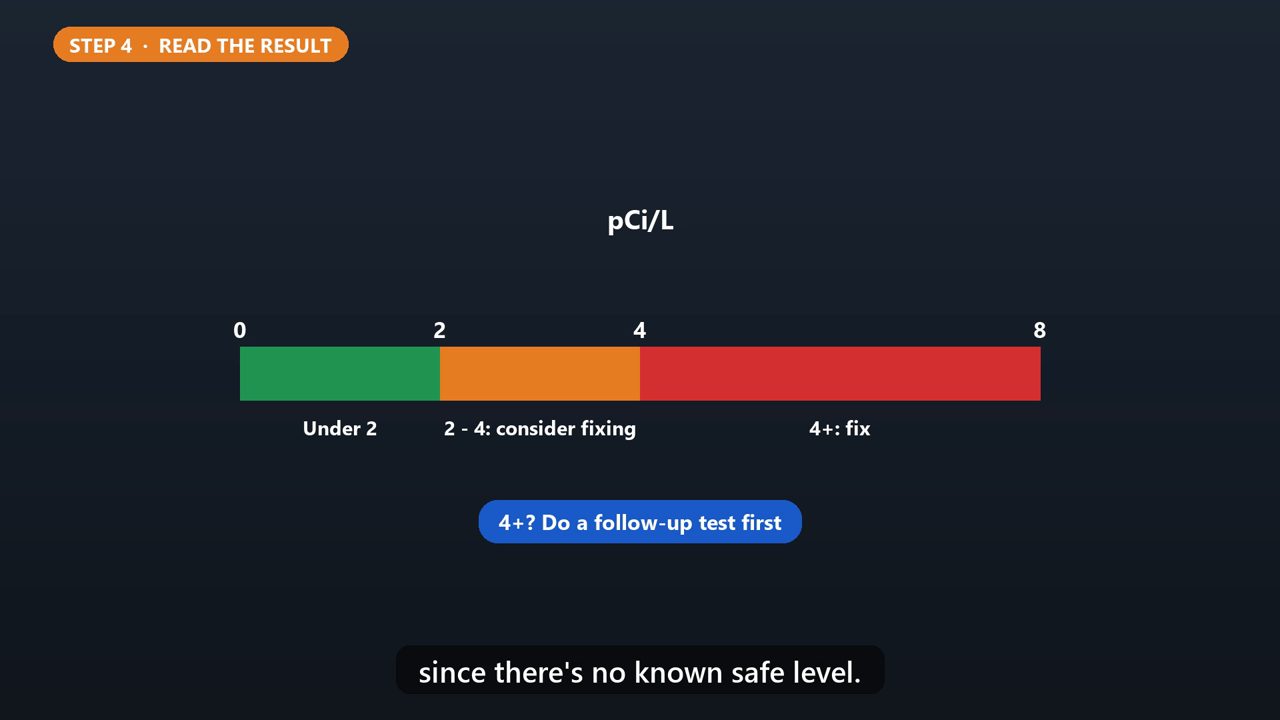
Results are in picocuries per liter. At four or higher, do a follow up test to be sure. If it's confirmed, the EPA recommends fixing your home. Between two and four, consider fixing it, since there's no known safe level.
5. It Can Be Fixed
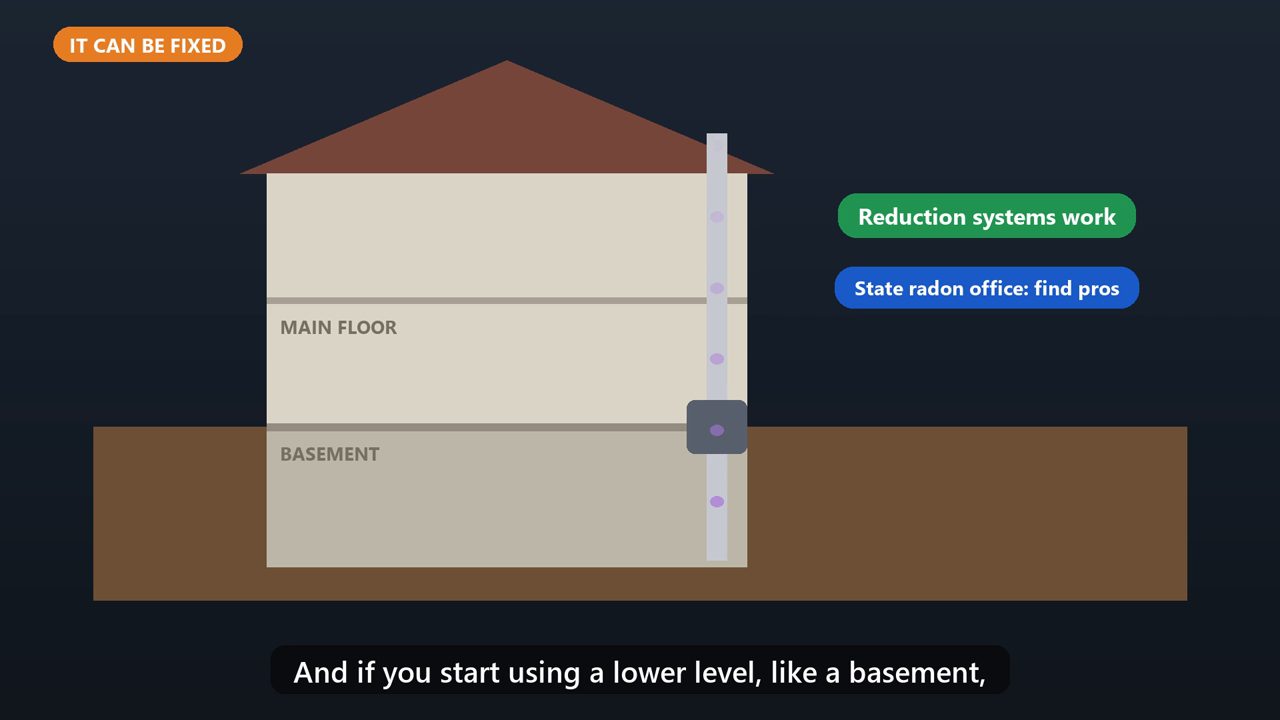
The good news? Radon reduction systems work, and they're not too costly. Your state radon office can point you to qualified pros. And if you start using a lower level, like a basement, test again.
Tools that make this easier
Simple Google Sheets + Excel tools from WiscHaven. Buy once, no subscription.



Checked against the official sources above. Steps can change as apps update - tell us if something looks different: wischavenindustries@gmail.com