How-To Guides · Safety
How to Get Ready for a Power Outage (Food, Light, Safety)
Storms, ice, and heat waves can knock out power for hours or days. A little prep now makes it safer and a lot less stressful. Here's what Ready dot gov recommends.
1. Before: Build Your Basics
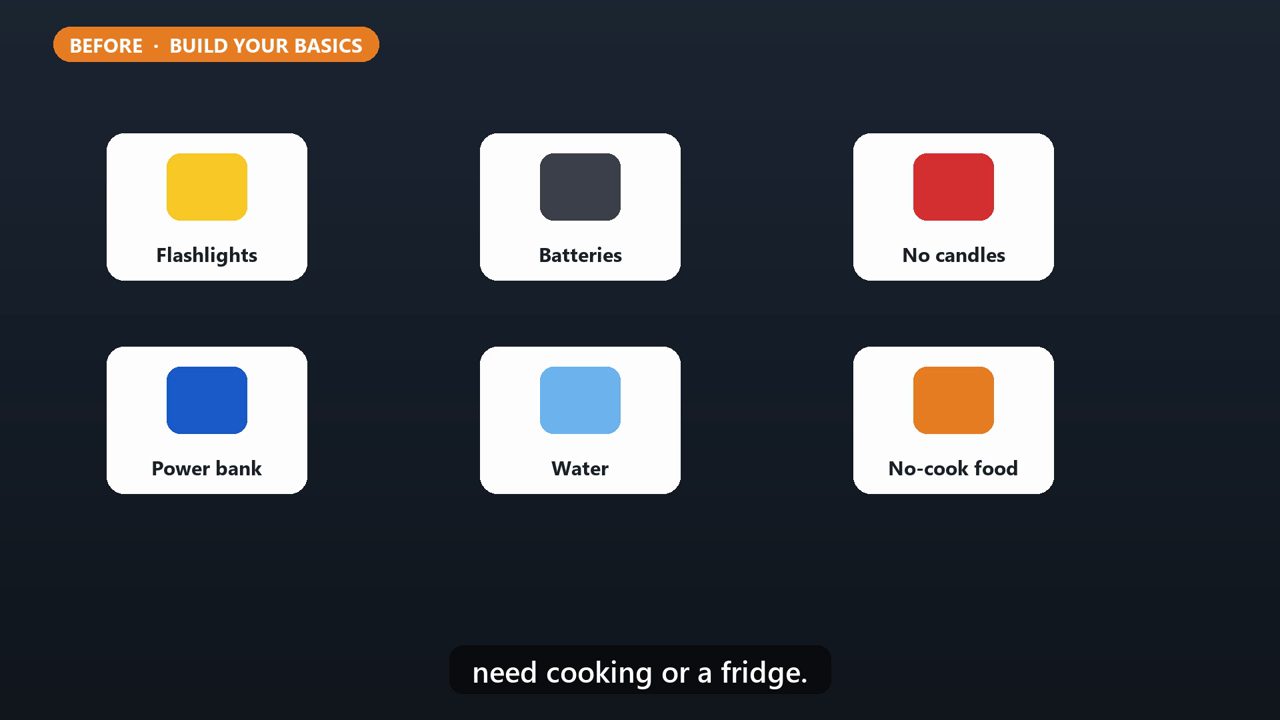
Have a flashlight for everyone in the house, and extra batteries. Use flashlights instead of candles. Keep a charged power bank for your phone, plus water and food that doesn't need cooking or a fridge.
2. Before: Carbon Monoxide Alarms
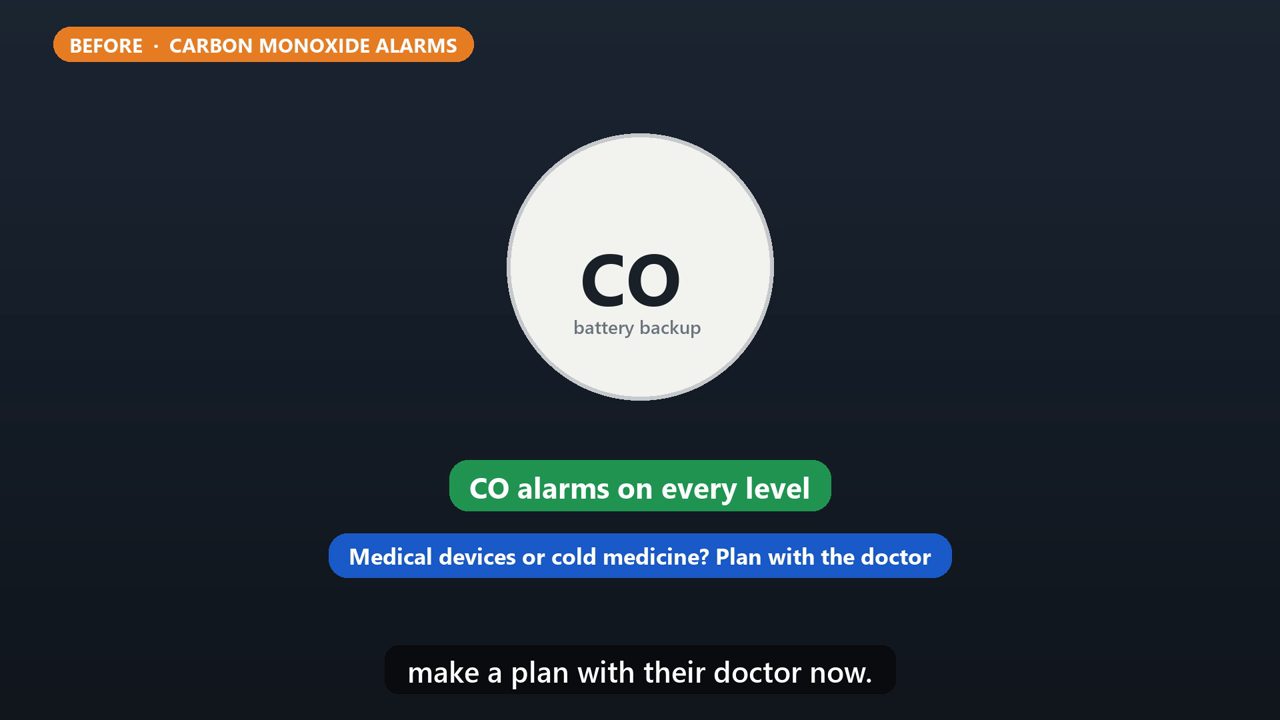
Put carbon monoxide alarms with battery backup on every level of your home. And if someone uses powered medical equipment, or medicine that has to stay cold, make a plan with their doctor now.
3. During: Keep The Fridge Closed
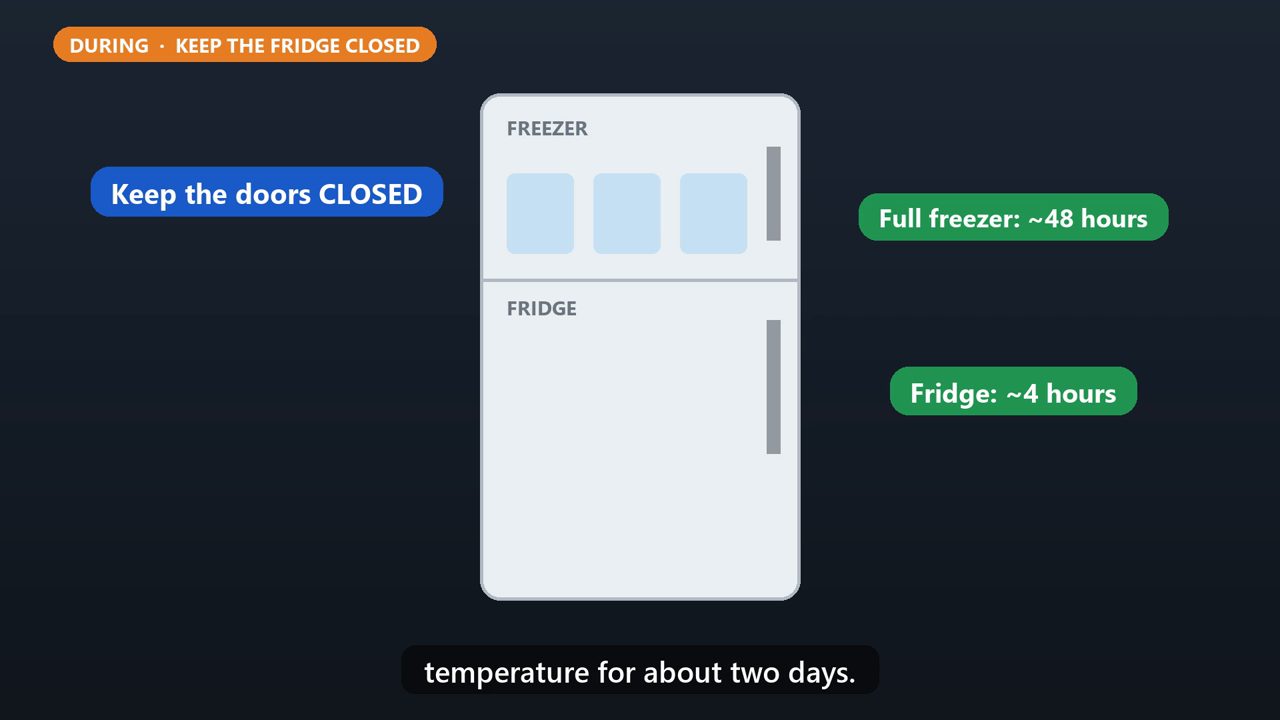
Keep the fridge and freezer doors closed. A closed fridge keeps food cold for about four hours. A full freezer can hold its temperature for about two days.
4. During: Unplug Electronics
Unplug or switch off electronics and appliances, so a power surge doesn't damage them when the electricity comes back.
5. Never Do This
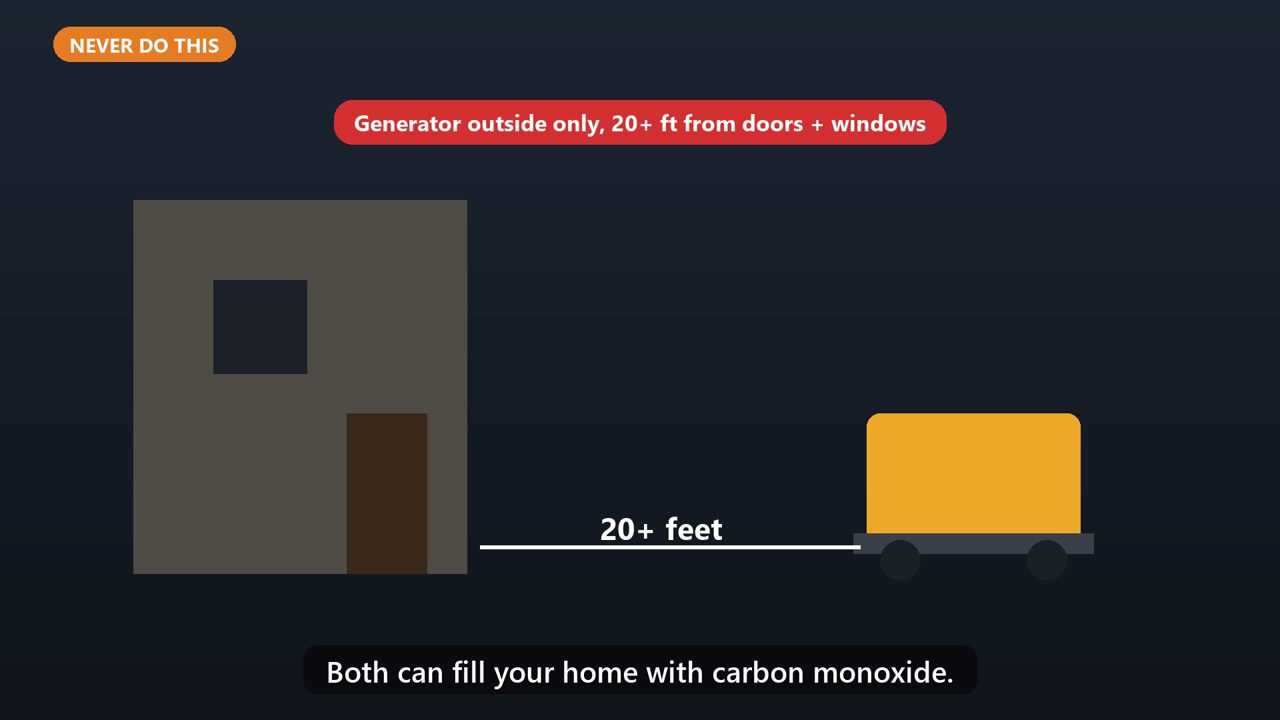
Never use a gas stove or oven to heat your home. And run a generator only outside, at least twenty feet from windows, doors, and garages. Both can fill your home with carbon monoxide.
6. After: Check Your Food
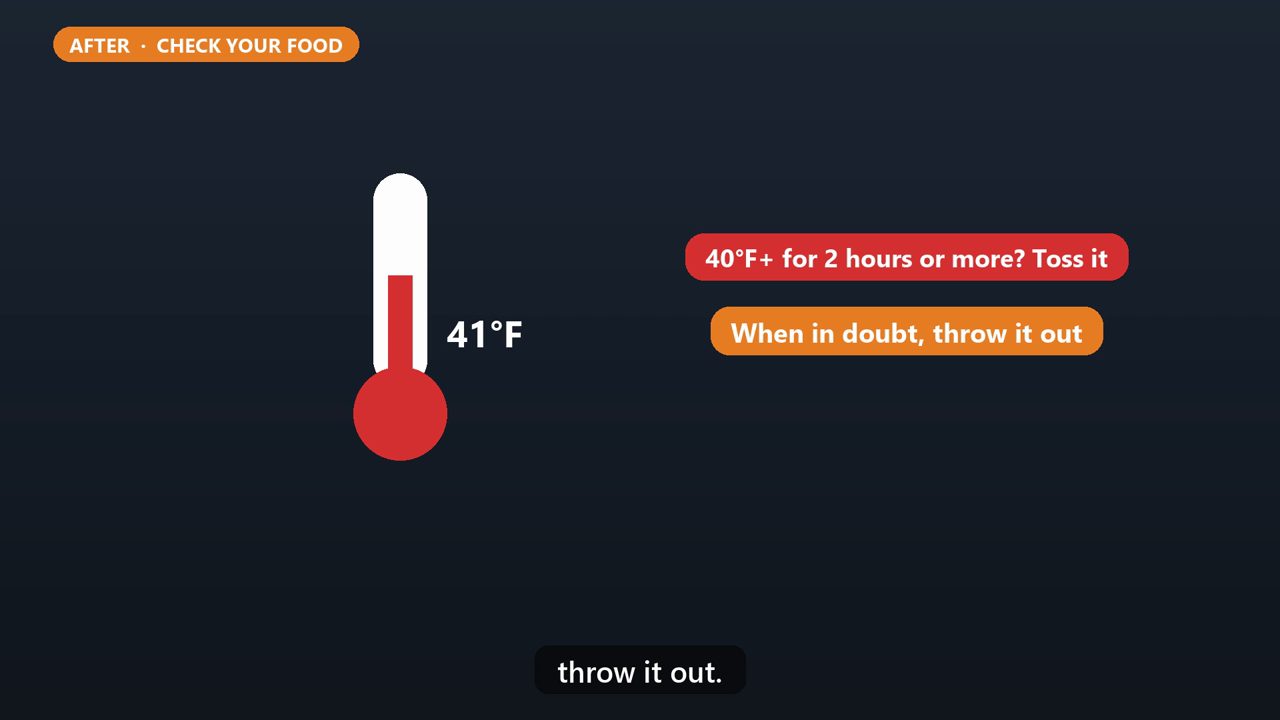
Throw out food that's been at forty degrees or warmer for two hours or more, or that smells or looks off. When in doubt, throw it out.
Tools that make this easier
Simple Google Sheets + Excel tools from WiscHaven. Buy once, no subscription.




Sources
Checked against the official sources above. Steps can change as apps update - tell us if something looks different: wischavenindustries@gmail.com