How-To Guides · Safety
Frostbite and Hypothermia: Warning Signs and What to Do
Bitter cold can hurt you faster than you'd think. Here's how to spot frostbite and hypothermia, and what to do, following Ready.gov and the CDC.
1. Prevent It
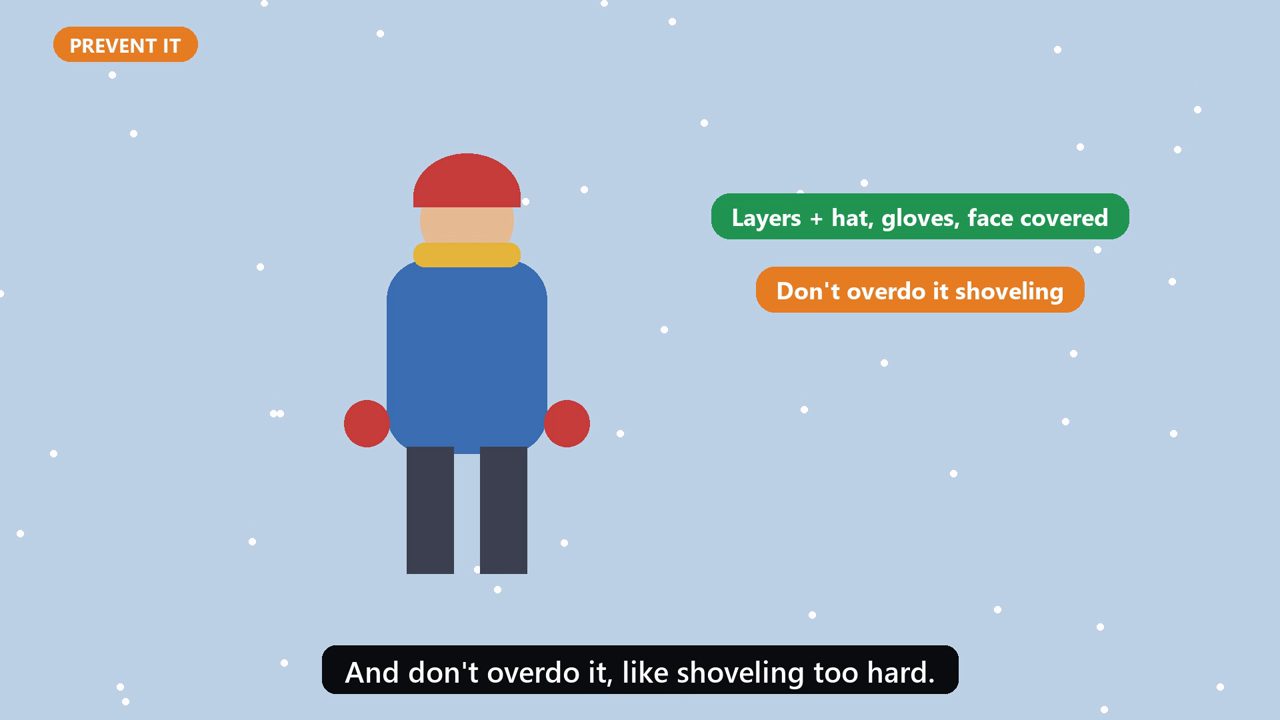
First, limit your time outside when it's very cold. Dress in layers, and cover your head, hands, and face. And don't overdo it, like shoveling too hard.
2. Frostbite: The Signs
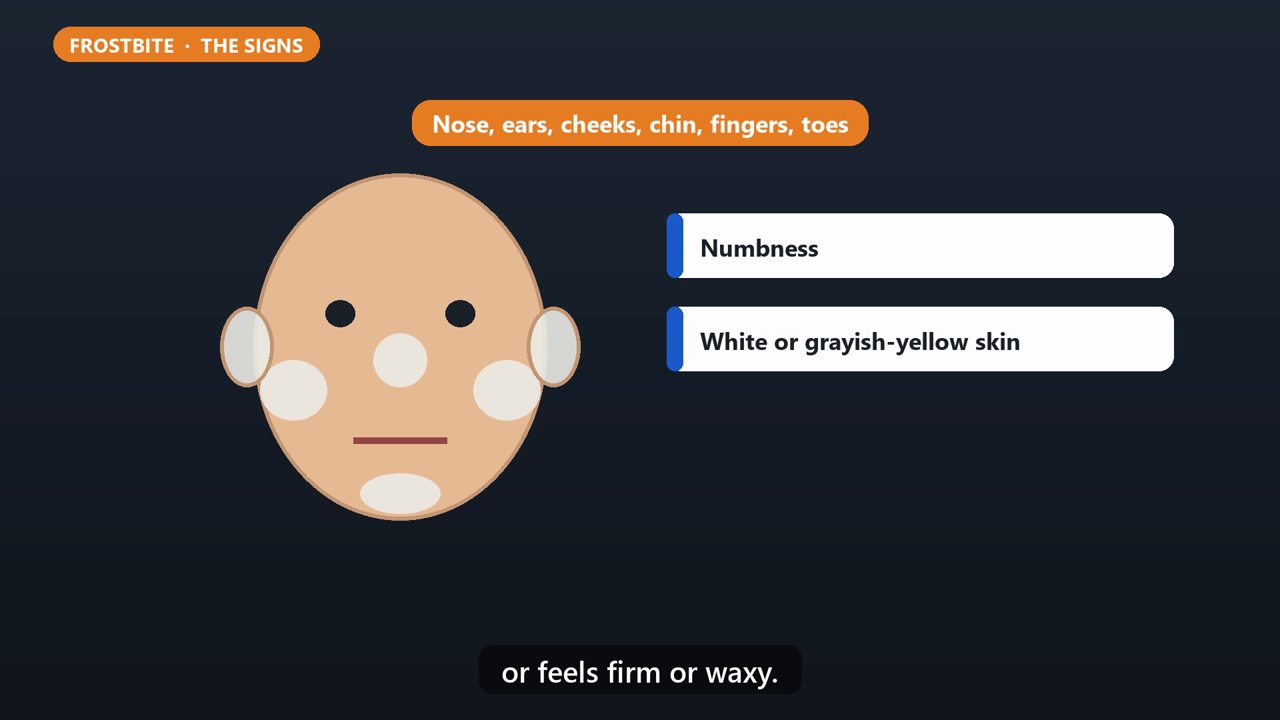
Frostbite most often hits the nose, ears, cheeks, chin, fingers, and toes. Watch for numbness, and skin that turns white or grayish yellow, or feels firm or waxy.
3. Frostbite: What To Do
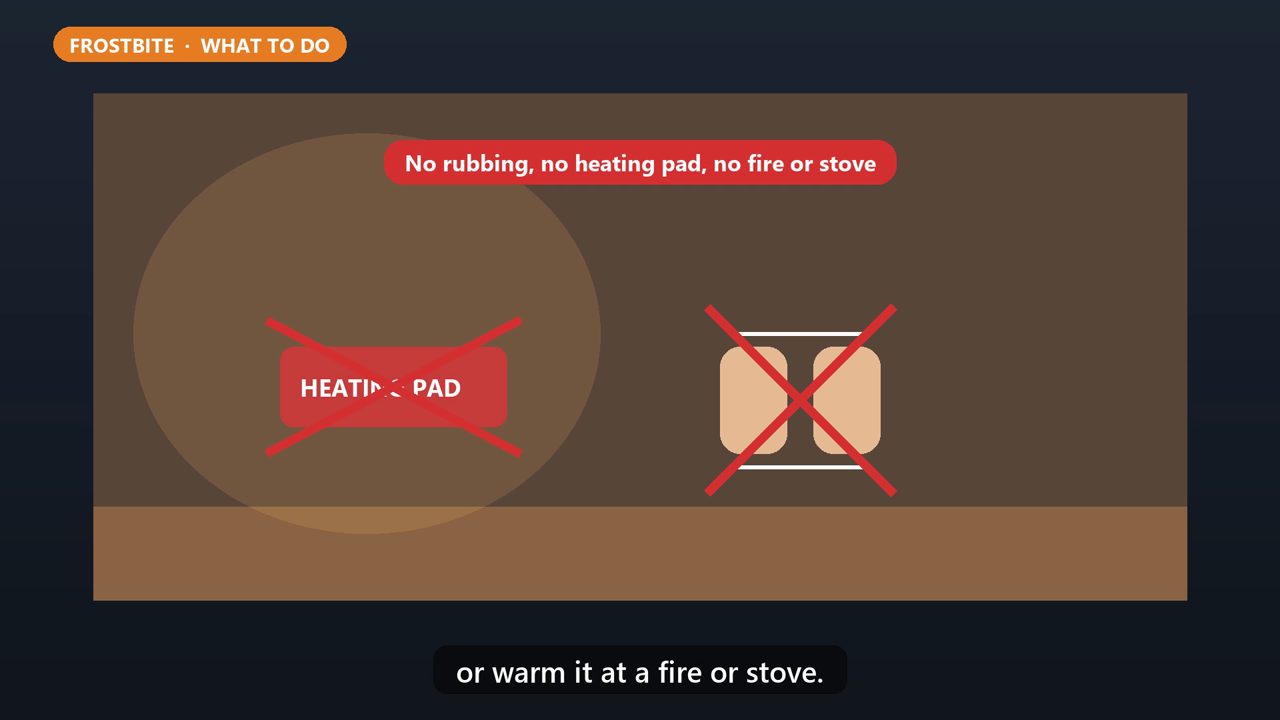
Get to a warm room. Warm the area with body heat, or warm-to-touch water. Don't rub it, and don't use a heating pad, or warm it at a fire or stove.
4. Hypothermia: The Signs
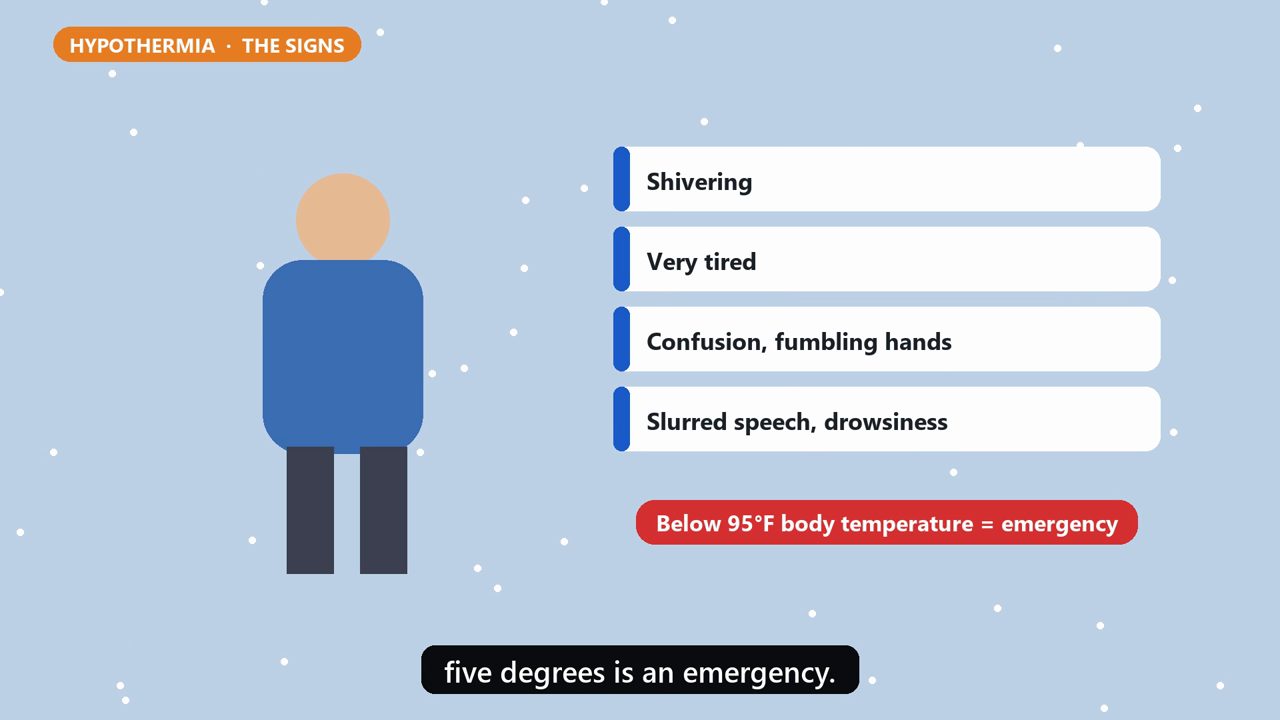
Hypothermia is when your whole body gets too cold. Watch for shivering, being very tired, confusion, fumbling hands, slurred speech, or drowsiness. A body temperature below ninety five degrees is an emergency.
5. Hypothermia: What To Do
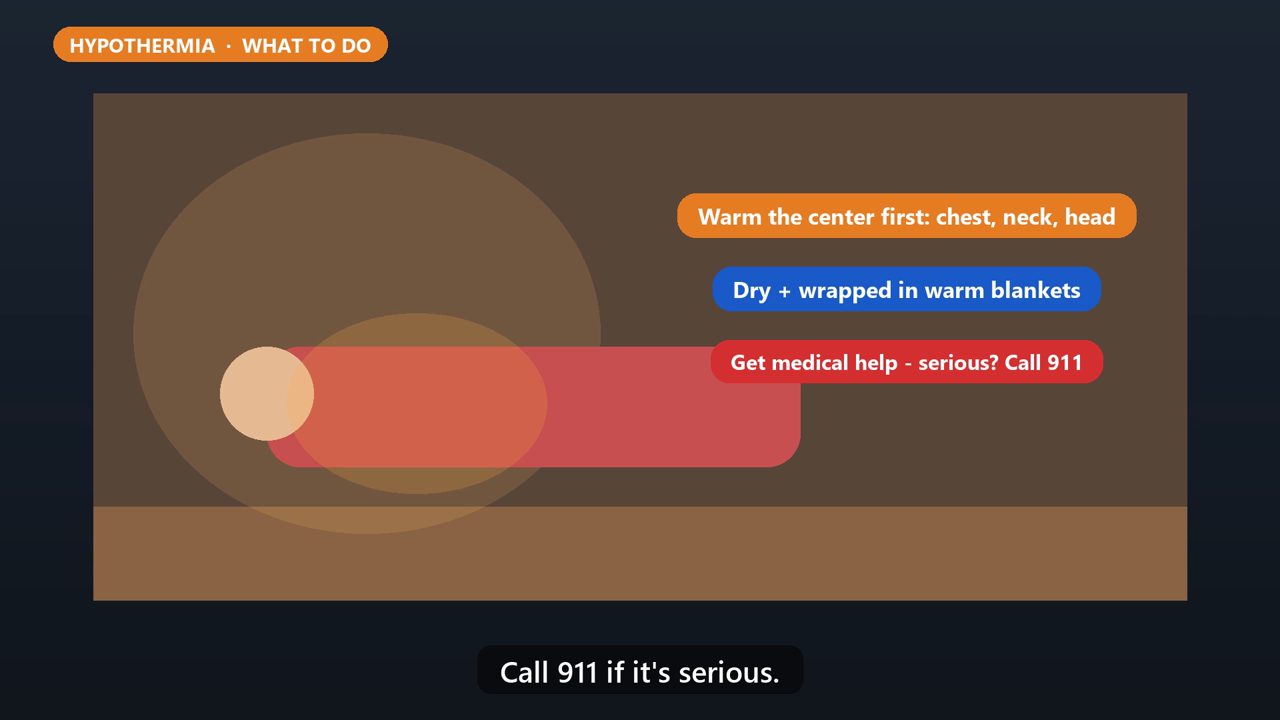
Get them into a warm room. Warm the center of the body first. The chest, neck, and head. Keep them dry, and wrapped in warm blankets. And get medical help. Call 911 if it's serious.
Tools that make this easier
Simple Google Sheets + Excel tools from WiscHaven. Buy once, no subscription.




Sources
Checked against the official sources above. Steps can change as apps update - tell us if something looks different: wischavenindustries@gmail.com